
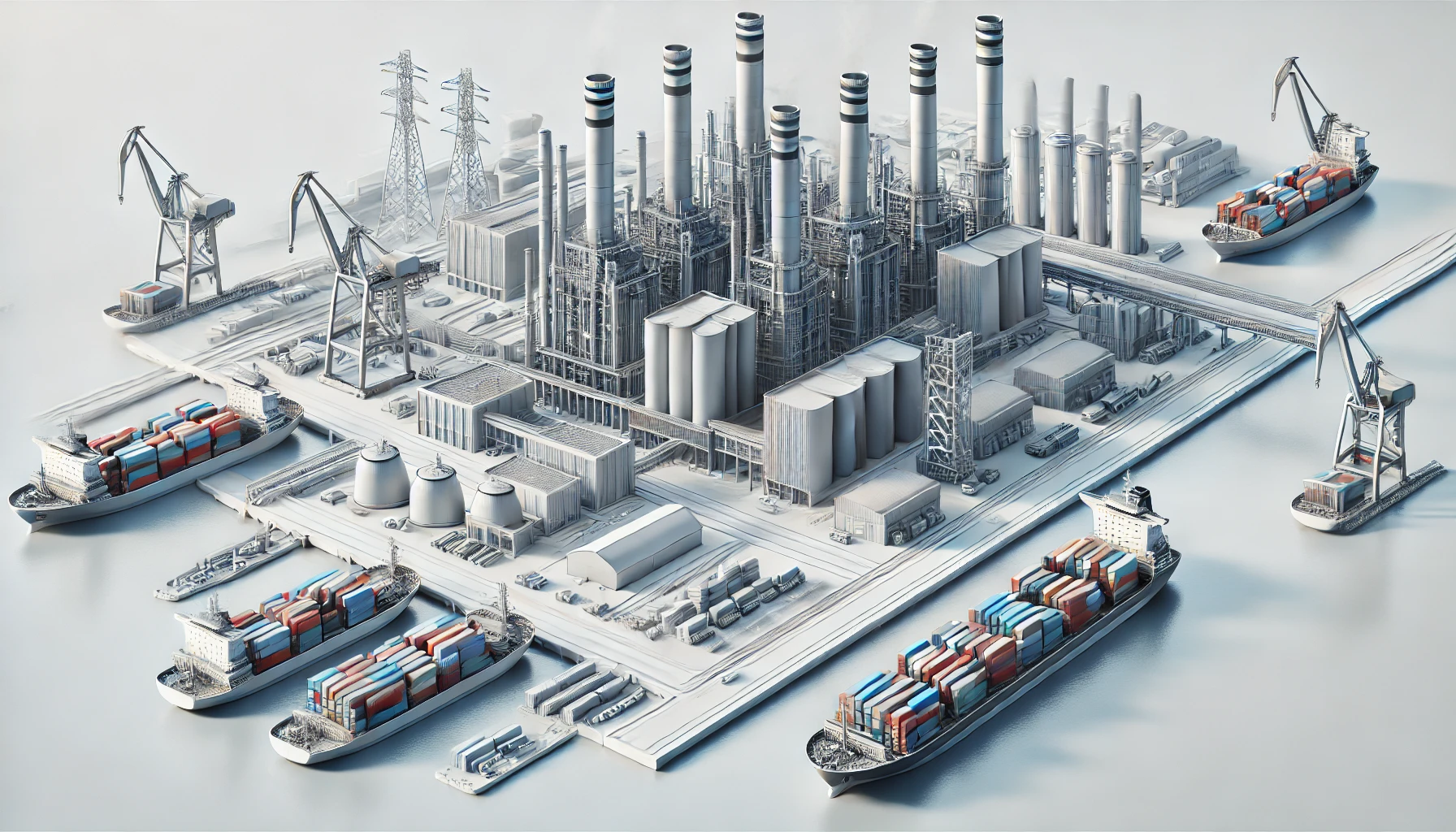
The introduction of new tariffs on imported goods has reshaped the economics of private-label wet wipes, forcing businesses to rethink their sourcing strategies. With higher costs, supply chain disruptions, and compliance challenges, many brands are now turning to domestic manufacturers as a more stable and cost-effective solution.
📈 Why This Matters:
- Tariffs on imported raw materials and finished products have surged, making overseas production significantly more expensive.
- Global supply chain disruptions continue to cause delays, making inventory management unpredictable.
- Consumers increasingly prefer “Made in USA” products, associating them with higher quality and ethical standards.
This blog explores why businesses should pivot to U.S.-based manufacturers, ensuring cost control, faster turnaround times, and compliance with regulatory standards.
Avoiding Tariff-Driven Cost Inflation
With new tariffs raising the cost of imported wet wipes, businesses face increasing challenges in maintaining profit margins and competitive pricing.
📉 How Tariffs Are Driving Up Costs
- Raw Material Tariffs: Essential materials like nonwoven fabrics, plastics, and packaging are now subject to higher import duties, raising production costs.
- Machinery Tariffs: Steel and aluminum tariffs (up to 25%) increase the cost of manufacturing equipment, making production abroad less economical.
- Chinese Import Tariffs: The U.S. has imposed tariffs as high as 60% on Chinese goods, significantly impacting the cost of textiles, packaging materials, and hygiene products.
📊 Recent Data:
The average tariff rate on Chinese imports rose from 3.1% in 2018 to over 19.3% in 2023.

💡 Why Domestic Manufacturing is the Solution
By partnering with U.S. manufacturers, businesses can:
✔ Bypass high tariffs, ensuring more stable production costs.
✔ Eliminate expensive international shipping fees and customs duties.
✔ Retain pricing flexibility, allowing brands to remain competitive in the market.
✅ Example: Many private-label brands have turned to working with manufacturers like Phoenix Wipes, a U.S.-based manufacturer of individually wrapped wet wipes, to stabilize costs and ensure that their pricing remains competitive despite tariff hikes.
Supply Chain Resilience
Relying on overseas manufacturing comes with risks beyond just tariffs—shipping delays, geopolitical instability, and supply chain bottlenecks have made it increasingly difficult for businesses to maintain consistent inventory levels.
🚢 Challenges of Overseas Supply Chains
- Tariff Uncertainty: Many suppliers adjust their prices frequently in response to new trade restrictions, retaliatory tariffs, and fluctuating shipping costs.
- Shipping Delays: International freight has faced record-high delays and costs due to port congestion, container shortages, and labor strikes.
- Global Disruptions: Unexpected events like COVID-19, the Russia-Ukraine conflict, and China’s export controls can severely impact supply chains.

📊 Recent Data:
- Trans-Pacific shipping rates increased by 300% from 2020 to 2022, making imports significantly more expensive.
- 60% of businesses cited supply chain disruptions as their biggest challenge in sourcing international goods in 2023.
🏭 How Domestic Manufacturing Solves This Issue
✔ Shorter lead times mean production cycles move faster, reducing the risk of stock shortages.
✔ Less reliance on international shipping eliminates port congestion and customs delays.
✔ Stronger inventory control enables brands to quickly restock products as demand fluctuates.
Regulatory Compliance and the “Made in USA” Advantage
One of the biggest challenges with international manufacturing is meeting U.S. safety and compliance standards. Different countries have varying regulatory guidelines, meaning imported wet wipes may not always meet FDA, EPA, or environmental safety requirements.
📜 The Importance of Regulatory Compliance
- FDA (Food & Drug Administration): Ensures personal care products meet strict health and safety standards.
- EPA (Environmental Protection Agency): Regulates disinfectant wet wipes, ensuring they meet antimicrobial effectiveness criteria.
- Flushability Standards: The U.S. has stricter rules on flushable wipes to protect sewer systems and prevent environmental damage.

📊 Recent Data:
- 83% of U.S. shoppers say they prefer to pay more for “Made in USA” products, believing them to be higher quality and more ethically produced (Reshoring Institute).
🏷 The “Made in USA” Consumer Trust Factor
✔ Consumers associate U.S.-made products with better quality and ethical labor practices.
✔ Retailers selling domestically produced wipes can promote their products as compliant with strict U.S. regulations.
✔ Eco-conscious buyers prefer U.S.-made products because of higher sustainability and transparency standards.
Enhanced Customization and Brand Control
Private-label businesses need flexibility to differentiate themselves in a competitive market. However, working with overseas manufacturers often limits customization options due to rigid formulations, high minimum order quantities (MOQs), and long production lead times.
🔧 The Limitations of Overseas Manufacturing
- Lack of Custom Formulations: Many international suppliers provide generic, one-size-fits-all formulas, restricting a brand’s ability to cater to specific customer needs (e.g., hypoallergenic, biodegradable, or fragrance-free options).
- High Minimum Order Quantities (MOQs): Some factories require orders of 100,000+ units, making it difficult for startups and small brands to test new products.
- Slower Product Launches: Developing a custom product overseas can take months, delaying time-to-market.

📊 Recent Data:
The global personal care wipes market was valued at $11.86 billion in 2022 and is expected to grow at a CAGR of 6.3% from 2023 to 2030, highlighting the increasing demand for specialized formulations .
🛠 Why U.S. Manufacturing Provides Greater Brand Control
✔ Formulation flexibility – Brands can easily develop niche formulations, such as organic, hypoallergenic, or antibacterial wipes.
✔ Custom packaging options – Sustainable materials, resealable pouches, and travel-size packs can be adjusted per brand needs.
✔ Lower MOQs for startups – Many U.S. manufacturers offer flexible production runs, making it easier for smaller businesses to enter the market.
✅ Example: Phoenix Wipes works directly with private-label brands to provide tailored formulations and packaging, allowing businesses to test new product lines without committing to massive orders.
Sustainability and Consumer Trust
Consumers today are more eco-conscious than ever, driving brands to adopt sustainable wet wipes made from biodegradable materials and recyclable packaging. However, many overseas manufacturers lag behind in sustainability standards, making U.S.-based production a smarter choice.
🌍 Growing Demand for Sustainable Wet Wipes
- Consumers want sustainable solutions – Over 69% of global consumers prefer eco-friendly materials.
- Regulatory shifts are driving sustainability – The U.S. is tightening rules on single-use plastics, pushing brands to use compostable and recyclable packaging.

📊 Recent Data:
- The global wet wipes market is projected to reach $28.5 billion by 2030, driven by demand for sustainable and chemical-free alternatives.
- More than 64% of Gen Z consumers consider sustainability a key factor when purchasing products.
🌱 How U.S. Manufacturers Are Leading the Green Shift
✔ Use of biodegradable fibers – Many domestic producers are shifting to plant-based materials instead of synthetic fibers.
✔ Eco-friendly packaging solutions – More U.S. brands are investing in recyclable and compostable options than international suppliers.
✔ Compliance with U.S. environmental laws – Domestic wipes meet strict biodegradability and flushability standards, unlike many imported options.
Challenges and Strategies of Mitigation
While domestic manufacturing offers significant advantages, businesses must address certain challenges—such as higher labor costs and scalability concerns—when transitioning from international suppliers.
💰 Challenge: Higher Labor Costs in the U.S.
- The U.S. has higher wages than many overseas production hubs, increasing overall manufacturing expenses.
- Labor costs can account for up to 20-30% of total production expenses in domestic facilities compared to 10-15% in some foreign markets (Bureau of Labor Statistics).

🔧 Solution: Automation and Bulk Production Efficiencies
✔ Advanced production technology – Many U.S. manufacturers, including Phoenix Wipes, are investing in automated assembly lines, reducing reliance on manual labor.
✔ High-volume orders reduce per-unit costs – Bulk production allows brands to offset labor expenses while maintaining profit margins.
✔ Streamlined logistics – Eliminating import fees, customs processing, and international freight costs balances out domestic labor rates.
📊 Recent Data:
- Ferrara Manufacturing has seen a revival in domestic garment production as brands prioritize more resilient supply chains over offshore dependencies. (Wall Street Journal)
- Reshoring efforts and supply chain optimizations have improved U.S.-based production efficiency, helping companies reduce delays and respond faster to demand fluctuations. For example, Reckitt Benckiser invested $200 million to enhance U.S. manufacturing, ensuring quicker response times for over-the-counter medications. (Wall Street Journal)
Conclusion
The landscape of private-label wet wipes manufacturing has shifted—with tariffs, supply chain risks, and changing consumer preferences making domestic production more beneficial than ever.
🏭 Why Businesses Should Choose U.S. Manufacturers
✔ Bypass high tariffs that raise the cost of imported raw materials and finished goods.
✔ Ensure supply chain resilience with faster production cycles and stable inventory flow.
✔ Meet strict U.S. regulations for safety, sustainability, and compliance.
✔ Customize wet wipes with greater flexibility in formulation, packaging, and order size.
✔ Respond to consumer demand for eco-friendly products by sourcing from sustainable U.S. manufacturers.

📢 Final Thought:
With rising global uncertainty, partnering with a U.S. wet wipes manufacturer like Phoenix Wipes gives businesses a competitive advantage, cost stability, and long-term profitability. The future of private-label wet wipes is domestic—and brands that make the switch now will be ahead of the curve.
Frequently Asked Questions (FAQ)
Readers should conduct their own research and consult professionals before making business decisions. We are not liable for any financial losses, business risks, or regulatory issues arising from this content. Any references to companies are for illustration only and do not imply endorsement. By using this content, you assume full responsibility for any decisions made.
Phoenix Wipes INC.
