
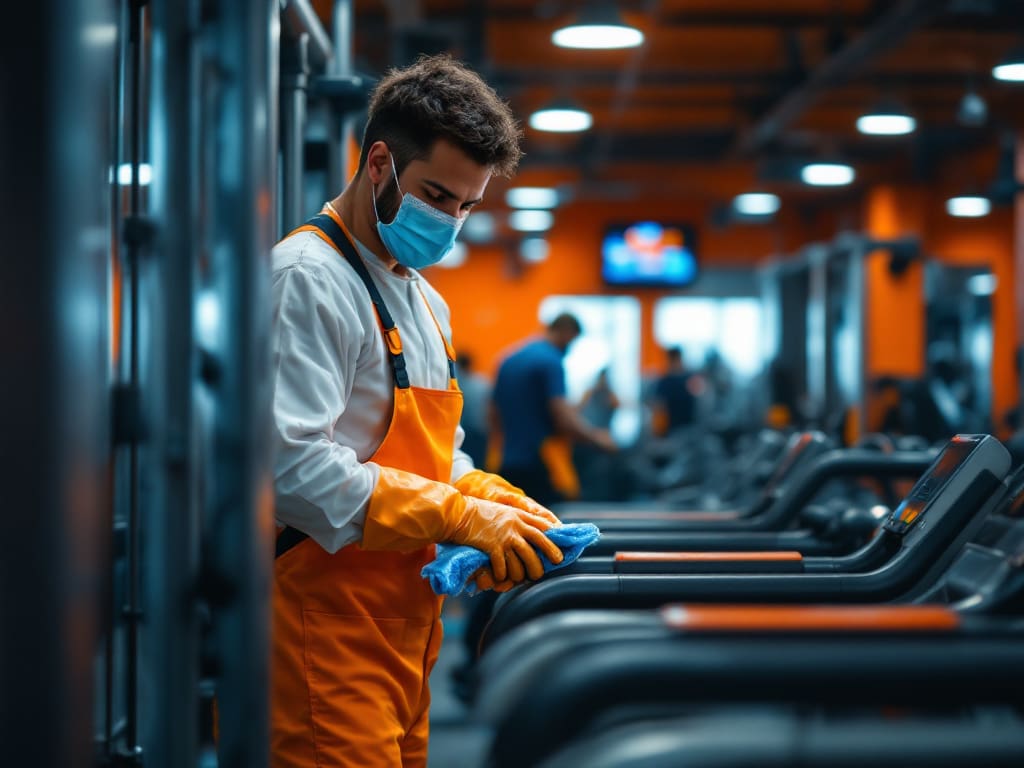
You manage a high-traffic fitness center, and disinfecting gym machines without damaging equipment is critical to member safety and equipment longevity. By understanding material tolerances and following proven cleaning steps, you can reduce germ spread like MRSA while protecting your investment. This guide covers assessment, disinfectant selection, procedures, private label wipes, staff training, and ongoing monitoring.
Assess equipment surfaces
Gym machines feature plastics, metals, electronics, and upholstery that react differently to cleaning agents. A 2021 study found exercise bikes harbor 39 times more bacteria than a cafeteria tray, free weights contain 362 times more than a toilet seat, and treadmills carry 74 times more than a water faucet (Banner Health). To protect your machines:
Identify sensitive materials
You should review manufacturer guidelines for each piece of equipment. Pay special attention to electronic displays, coated metals, and vinyl seating that may crack or corrode under harsh chemicals.
Check compatibility first
Test your chosen disinfectant on an inconspicuous area. If the surface shows no discoloration or damage after the recommended wet time, you can proceed with confidence.
For more on surface care, see fitness equipment sanitation.
Select compliant disinfectants
You eliminate pathogens like Staphylococcus aureus and Salmonella without compromising your machines by choosing the right disinfectant.
Use EPA-approved products
Opt for EPA-registered intermediate-level disinfectants such as 70 percent isopropyl alcohol, Lysol, or Clorox products. Follow label wet times—Lysol wipes require four minutes of contact to kill tough germs (NASM Blog).
Avoid corrosive chemicals
Steer clear of bleach, ammonia, or abrasive cleaners on non-porous surfaces. These agents can cause discoloration, cracking, and corrosion over time (Simple Green).
Implement key procedures
A consistent five-step process helps maintain high hygiene and equipment health across all machines.
- Pre-clean surfaces
Wipe away dust, sweat, and grime using an all-purpose cleaner like Simple Green All-Purpose Cleaner for optimal residue removal. - Apply disinfectant
Cover the surface with a disinfectant wipe or spray, ensuring it remains wet for the full kill time. - Wipe down residue
Use a second wipe or clean cloth with friction to remove dead pathogens and solution. - Rinse portable gear
After disinfecting shared items like foam rollers and stability balls, rinse with soap and water to remove any chemical residues (NASM Blog). - Log each cleaning
Record date, time, equipment ID, and staff initials to maintain accountability and facilitate audits.
Integrate these steps into your gym equipment cleaning protocols to standardize practice facility-wide.
Integrate private label wipes
Partnering with Phoenix Wipes lets you customize formulations, packaging, and scent for your facility’s needs. As a US-based manufacturer, Phoenix Wipes offers faster lead times and reliable quality you can count on.
Customize formulations
Choose plant-based ingredients that disinfect effectively yet protect delicate surfaces. You can specify alcohol content, scent profiles, and biodegradable materials to align with your sustainability goals (Phoenix Wipes).
Scale with confidence
Domestic production reduces shipping delays and quality issues. Whether you need bulk sachets for locker rooms or jumbo tubs for high-traffic zones, you’ll maintain consistent supply without long lead times.
Train staff and members
Maintaining hygiene is a shared responsibility. Educate your team and gym users on best practices.
Use protective gear
Require staff to wear gloves and masks when handling disinfectants, especially in enclosed or poorly ventilated areas (NASM Blog).
Encourage member hygiene
Teach clients to cover machines with a personal towel during workouts, wipe equipment post-use, and sanitize hands immediately after exercise. These simple steps curb germ spread and reinforce your facility’s safety culture.
Connect these habits to your sanitizing workout machines guidelines for clarity.
Monitor cleaning effectiveness
Regular audits and feedback loops help you refine protocols and demonstrate compliance.
Schedule routine inspections
Perform daily checks on high-touch equipment and weekly deep cleans for less-used machines. Use a chart or digital app to track progress.
Gather member input
Post signage with a QR code linking to a quick survey on cleanliness. Since 81 percent of fitness consumers prioritize gym hygiene, your responsiveness can boost retention (API Fitness).
Align your tracking with fitness center cleaning procedures to maintain consistency.
Frequently asked questions
How do I choose the right disinfectant for different machines?
Match EPA-approved products to each machine’s materials, test a small area first, and follow the manufacturer’s wet-time instructions.
Can I use alcohol wipes on treadmill screens?
Yes, but confirm the screen manufacturer’s guidelines. Use 70 percent isopropyl alcohol wipes and avoid excess moisture near electronics.
What documentation should I keep for cleaning logs?
Record date, time, equipment ID, disinfectant used, and staff initials. Maintain digital or paper logs for audits and liability protection.
How do private label wipes speed up procurement?
Working with a domestic private label manufacturer like Phoenix Wipes means shorter lead times, bulk customization, and consistent quality control.
How can I ensure staff compliance with protocols?
Provide hands-on training, clear checklists, regular audits, and emphasize PPE use. Recognize employees who consistently meet or exceed cleaning standards.