
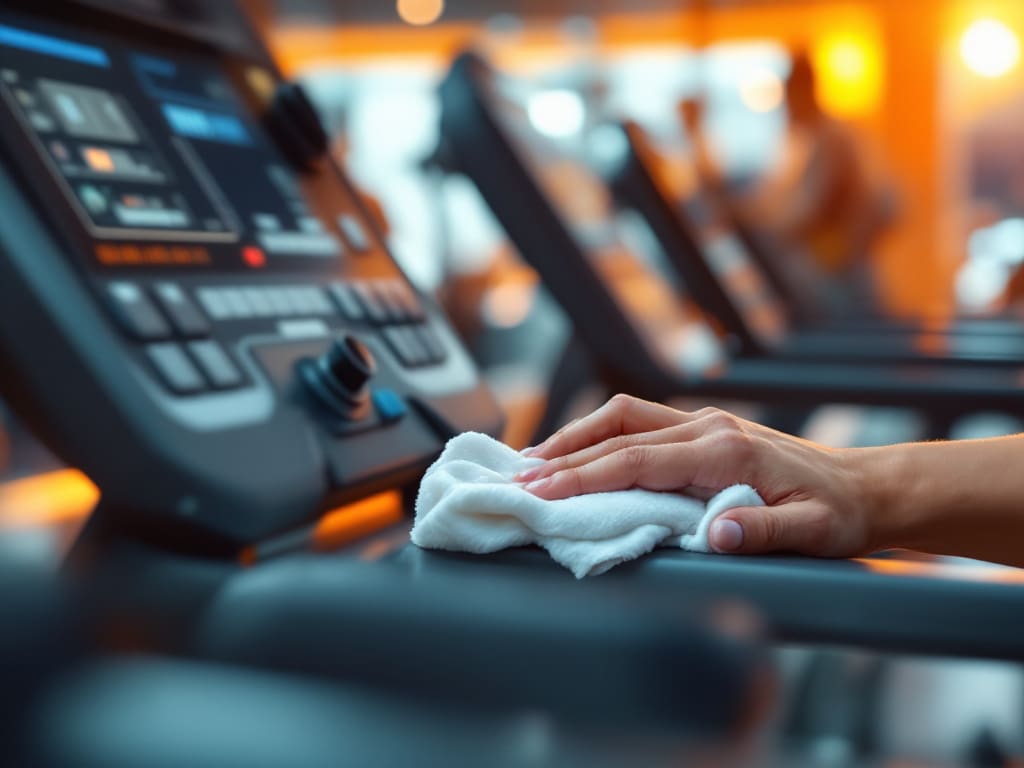
Sanitizing workout machines is more than a compliance checkbox, it’s a cornerstone of gym hygiene that protects your members and preserves your equipment. In high-traffic facilities, non-porous surfaces like metal and plastic on machines and free weights can harbor viruses and bacteria—sometimes at levels hundreds of times higher than common household items. A 2021 study found free weights carried 362 times more bacteria than a toilet seat, and treadmills had 74 times more than a water faucet (Banner Health). By integrating rigorous equipment disinfection into your operations—and partnering with a domestic private-label manufacturer like Phoenix Wipes—you ensure reliable, cost-effective supply of EPA-approved wipes that won’t damage your machinery. For a deeper look at hygiene best practices, see our guide to fitness equipment sanitation.
Assess equipment contamination
Understanding where germs accumulate helps you tailor your sanitizing workout machines routine. Research shows:
- Weight benches, free weights, and handlebars top the list for bacterial hotspots (Banner Health).
- Viruses often outnumber bacteria on gym equipment, especially on weight machines compared to cardio machines (NASM).
- Sweat, skin oils, and airborne droplets contribute to grime that accelerates wear and can spread infections like MRSA and staph.
By mapping high-touch zones—screens, grips, adjustment knobs—you can focus resources where they matter most.
Select disinfectant products
Choose EPA-approved commercial disinfectants that kill nearly 100% of harmful pathogens while being safe on non-porous gym surfaces. Common options include Lysol®, Clorox®, and 70% isopropyl alcohol.
| Disinfectant | Active ingredient | Contact time | Suitable surfaces |
|---|---|---|---|
| Lysol® Disinfecting Wipes | Quaternary ammonium | 10 seconds to sanitize, 4 minutes to disinfect ([NASM]) | Non-porous machines |
| Clorox® Disinfecting Wipes | Sodium hypochlorite | Follow label | Metal, plastic |
| 70% Isopropyl alcohol | Isopropanol | Follow label | Electronics, metals |
Always follow the “wet time” instructions on the label to ensure efficacy, then allow surfaces to air-dry or flush with soap and water to remove residue and prevent skin irritation (NASM).
Establish cleaning protocols
A structured schedule keeps your facility consistently sanitized and audit-ready. Link these routines to your gym equipment cleaning protocols and broader fitness center cleaning procedures.
Daily routine
- Pre-clean machines of visible dirt and perspiration with one premoistened wipe
- Apply a disinfectant wipe, ensuring the surface stays wet for the required contact time
- Use a second wipe with friction to remove loosened germs and grime
- Allow equipment to air-dry fully before next use
Deep clean
- Once per week, unplug cardio machines and dust vents, crevices, and fans
- Flush seats and handles with mild soap and water to remove chemical buildup
- Inspect moving parts for wear and sanitize adjustment knobs and pins
Educate your staff
Empower employees to maintain high hygiene standards and engage members in the process.
Staff training
- Hold quarterly workshops on proper disinfectant use, contact times, and safety precautions
- Provide microfiber cloths and clearly labeled disinfectant stations
- Audit cleaning logs weekly and reward consistent performance
Member guidance
- Post signage encouraging towel coverage on benches and machines
- Remind users to wipe down equipment immediately after use
- Offer hand-sanitizer stations near high-traffic zones
For more on engaging your team, see our tips for disinfecting gym machines.
Source domestic wipes
Partnering with a US-based manufacturer like Phoenix Wipes gives you faster lead times, consistent quality control, and customizable solutions for bulk orders. You benefit from:
- Contract manufacturing of custom formulations tailored to gym surfaces
- Flexible packaging options that streamline dispensing stations
- Reliable inventory management and B2B pricing for large-volume purchases
By sourcing domestically, you reduce shipping delays and guarantee that your sanitizing workout machines supplies arrive when you need them.
Monitor sanitation results
Tracking performance ensures your hygiene protocols are effective and compliant.
- Use digital checklists or mobile apps to log cleaning times, staff initials, and product lot numbers
- Perform monthly swab tests in high-touch areas and compare microbial counts to baseline
- Adjust protocols if contamination spikes, then retrain staff on updated procedures
Data-driven insights help you optimize resource allocation and demonstrate due diligence to health inspectors or corporate auditors.
FAQ
How often should I sanitize workout machines?
You should wipe equipment after every use and perform a deep clean at least once per week to remove buildup in hard-to-reach areas.
Can disinfectants damage my machines?
Some harsh chemicals like bleach or ammonia can corrode metals or crack plastics. Stick to EPA-approved products designed for gym equipment and follow manufacturer guidelines.
What does “wet time” mean?
Wet time is how long a disinfectant must remain on a surface to kill pathogens. Always follow the label—for example, Lysol® wipes need 4 minutes to disinfect.
Do I need to flush equipment after disinfecting?
Yes, rinsing with soap and water removes chemical residues that could irritate skin or degrade finishes over time.
How can Phoenix Wipes streamline my routines?
Phoenix Wipes offers US-made, EPA-compliant formulations in bulk custom packaging. You get consistent quality, faster restocks, and B2B pricing to keep your gym running smoothly.